Eavestrough Clearing in Monmouth County, NJ
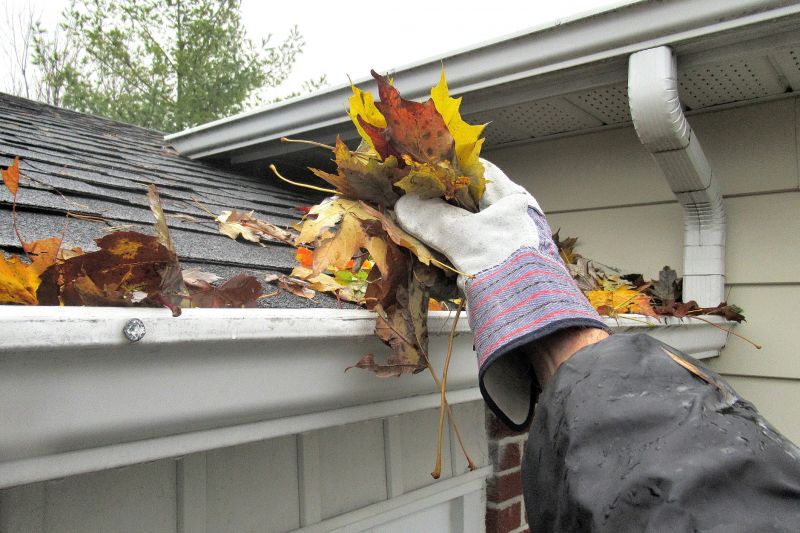
Eavestrough clearing services involve the removal of leaves, debris, and obstructions from the gutters that run along the edges of a property’s roof. This process helps ensure that rainwater flows freely through the gutters and downspouts, preventing water from pooling or overflowing onto the roof, siding, or foundation. These services typically cover residential properties, including single-family homes, townhouses, and small commercial buildings, especially during seasons when debris accumulation is frequent. Homeowners often request eavestrough clearing to maintain the integrity of their property, avoid water damage, and reduce the risk of pest infestations caused by clogged gutters.
Before requesting eavestrough clearing, property owners usually want to understand the scope of work involved, including whether the service includes flushing the gutters or inspecting for damage. It’s helpful to consider the height of the building, accessibility of the gutters, and the type of debris present, as these factors can influence the complexity and cost of the project. Homeowners should also inquire about any additional services such as gutter repairs or installation of guards to prevent future blockages. Clear communication about these aspects can help ensure the project meets the specific needs of the property.
Many property owners in Monmouth County, NJ look into Eavestrough Clearing for repairs, replacements, upgrades, and appearance-related improvements.
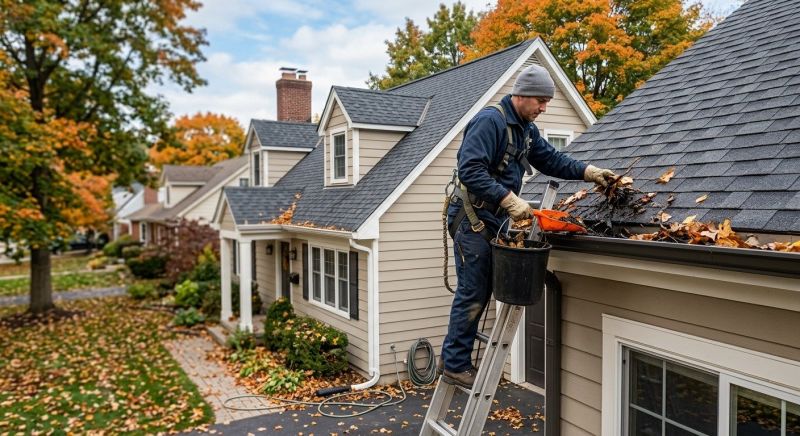
Eavestrough Clearing Services
Examples of eavestrough clearing work property owners may explore in monmouth county, nj.
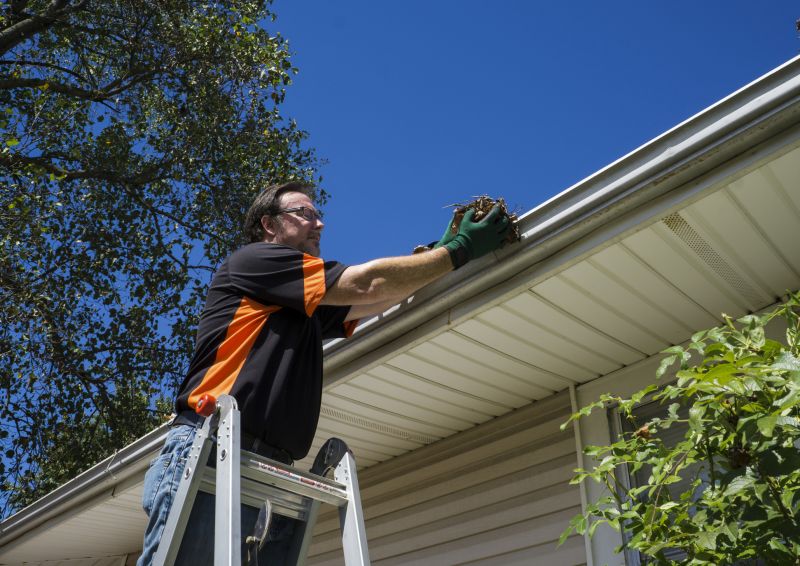
Eavestrough Clearing Updates
Common ways people refresh, improve, or restore eavestrough clearing features in monmouth county, nj.
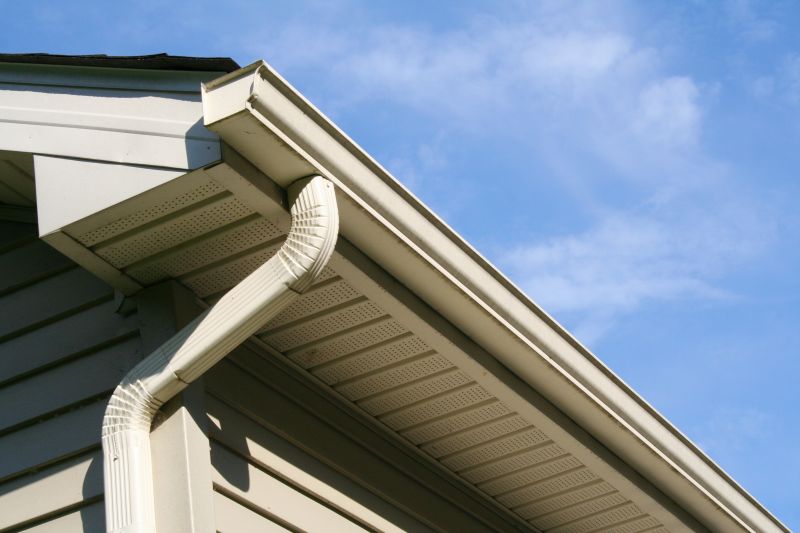
Eavestrough Clearing Options
Different styles, layouts, and finishes people consider for eavestrough clearing in monmouth county, nj.
Eavestrough Clearing in Monmouth County, NJ

Eavestrough clearing services involve the removal of leaves, debris, and obstructions from the gutters that run along the edges of a property’s roof. This process helps ensure that rainwater flows freely through the gutters and downspouts, preventing water from pooling or overflowing onto the roof, siding, or foundation. These services typically cover residential properties, including single-family homes, townhouses, and small commercial buildings, especially during seasons when debris accumulation is frequent. Homeowners often request eavestrough clearing to maintain the integrity of their property, avoid water damage, and reduce the risk of pest infestations caused by clogged gutters.
Before requesting eavestrough clearing, property owners usually want to understand the scope of work involved, including whether the service includes flushing the gutters or inspecting for damage. It’s helpful to consider the height of the building, accessibility of the gutters, and the type of debris present, as these factors can influence the complexity and cost of the project. Homeowners should also inquire about any additional services such as gutter repairs or installation of guards to prevent future blockages. Clear communication about these aspects can help ensure the project meets the specific needs of the property.
Many property owners in Monmouth County, NJ look into Eavestrough Clearing for repairs, replacements, upgrades, and appearance-related improvements.
Common Eavestrough Clearing Jobs
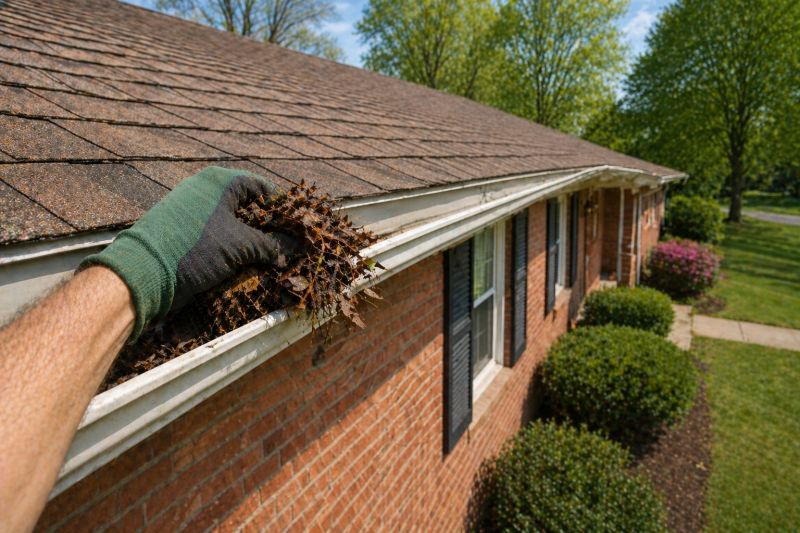
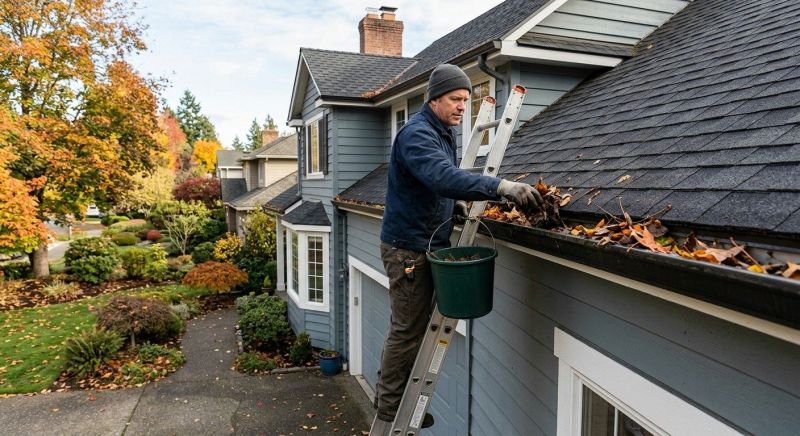
Eavestrough Cleaning - removal of debris to prevent water buildup and damage.
Clog Removal - clearing blockages to ensure proper water flow during storms.
Gutter Inspection - checking for damage or leaks that could cause water intrusion.
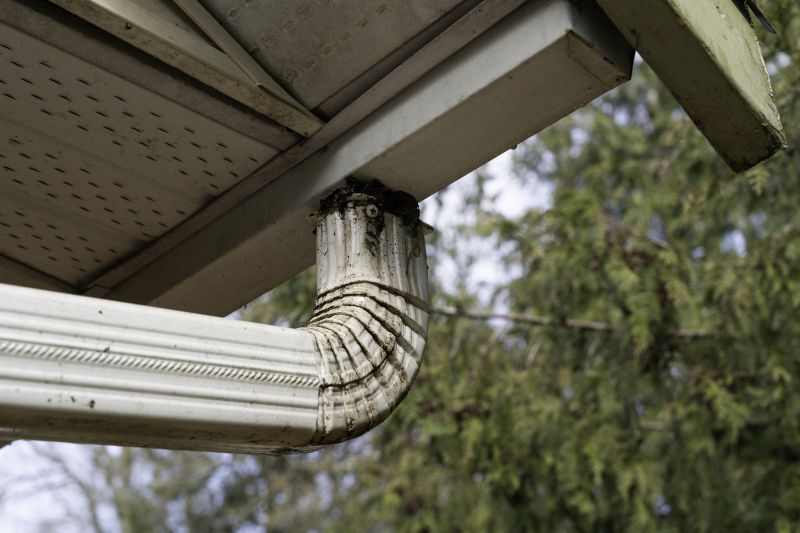
Downspout Clearing - ensuring downspouts are free of obstructions for effective drainage.
Seasonal Maintenance - preparing gutters for winter and spring to prevent issues.
Gutter Flushing - thorough rinsing to remove dirt and ensure optimal performance.
Eavestrough Clearing Questions
Why is eavestrough clearing important? Regular clearing helps prevent water damage, foundation issues, and mold growth caused by clogged gutters.
How often should eavestroughs be cleaned? It is recommended to clean gutters at least twice a year, typically in spring and fall, or more frequently if there are many trees nearby.
What signs indicate eavestroughs need cleaning? Signs include overflowing water, sagging gutters, visible debris, or water stains on the exterior walls.
Can eavestrough clearing prevent pest problems? Yes, removing debris and standing water can reduce habitats for pests like mosquitoes and insects.
Request Eavestrough Clearing in Monmouth County, NJ
Use the quote form on this page to share the basics of your project and request more information for the type of work you need.